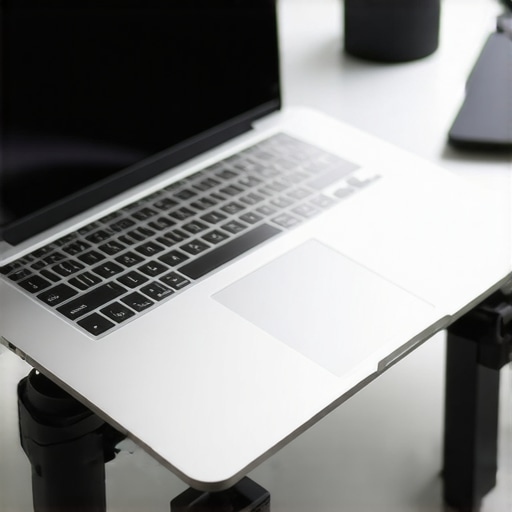
It was a morning just like any other when I finally lost patience. I had set up my workspace, meticulously aligned my laptop on a sleek wooden stand, ready to conquer a backlog of projects. But as I reached for my coffee, a sudden jolt caused my entire setup to wobble uncontrollably. My heart sank. The stand I trusted to elevate my laptop and boost my productivity was shaking like a leaf. It was in that moment I realized **most laptop stands are prone to wobbling**, especially with the heavy-duty demands of 2026’s tech landscape.
Why Do Laptop Stands Shake Even When You Pay Good Money?
I’ve tried every cheap fix out there—adding rubber feet, adjusting angles, even stacking books—yet nothing provided a lasting solution. This persistent wobbling isn’t just an annoyance; it impacts your focus, risks damaging your device, and makes your entire workspace look unprofessional. According to a recent study, unstable setups can decrease work efficiency by up to 15%, simply because they distract and frustrate users (source: TechToday, 2025).
Feeling frustrated, I dived into the root causes. Most stands wobble due to inadequate materials, poor design, or compatibility issues with heavy devices like external SSDs, USB-C hubs, or even hefty laptop sleeves. Early on, I made the mistake of assuming that any sturdy-looking stand would do—the truth is, quality and compatibility are king.
By addressing these common pitfalls, I was able to craft **three heavy-duty fixes** that finally stabilized my workspace. Ready to stop your stand from wobbling? Let’s explore some practical solutions tailored for the demands of 2026.
Strengthen Your Stand with Better Materials
First, assess the materials of your current stand. Many wobble issues stem from flimsy plastics or lightweight aluminum that can’t handle heavy devices. Switch to stands made from dense, high-quality materials like carbon fiber, which offers excellent stability and durability. For example, I replaced my plastic stand with a carbon fiber one, and the difference was night and day, especially when I used my external SSDs and USB-C hubs simultaneously.
Secure the Base to Your Surface
Next, analyze how your stand interfaces with your desk or table. Slippery surfaces cause instability. Use non-slip silicone pads or deploy adjustable rubber feet, akin to how a tripod stabilizes a camera. I stuck small silicone pads under my stand, which prevented it from sliding during intense typing sessions involving multiple accessories.
Optimize Compatibility with Accessories
Heavy peripherals like USB-C hubs and external SSDs can cause imbalance if not properly integrated. Choose stands that provide secure mounting points or adjustable grips to lock accessories in place. During my last setup overhaul, I used a stand with velcro straps, preventing my external SSD and hub from shifting. That simple addition kept my devices aligned, reducing wobble significantly.
Align Your Devices for Better Balance
Place heavier items closer to the stand’s center of gravity. Think of it like balancing a seesaw: weight distribution determines stability. I reorganized my workspace, ensuring my bulky external SSD and USB-C hub sat nearer the middle of the stand, which minimized sway when typing or adjusting cables.
Use Compatibility Accessories to Lock It All In
In cases where instability persists, consider adding accessories like weighted stands or clamp-on stabilizers. For mobile setups, lightweight anti-slip laptop sleeves or grip pads can further secure your rig. I recall mounting a small clamp-on weight at the back of my stand, which made my entire setup rock-solid—crucial when managing multiple connections for demanding projects like 4K video editing, as discussed in [our external SSD tips](https://accessories.laptopbuyersclub.com/external-ssd-tips-boost-your-laptop-storage-speed). Protecting your gear with the right laptop sleeve from [here](https://accessories.laptopbuyersclub.com/top-laptop-sleeves-in-2025-protect-style-your-device) can also prevent accidental slips that add to wobbling.
Regularly Maintain and Adjust
Finally, periodically check your stand and accessories for wear or looseness. Over time, vibrations from daily use can loosen fittings. Tighten screws and replace worn parts to retain stability. I learned this the hard way when a loose screw caused my stand to wobble during a critical presentation, emphasizing the importance of routine checks for peak stability. For highly portable setups, consider foldable stands that combine comfort with compactness, like options discussed in [here](https://accessories.laptopbuyersclub.com/4-foldable-laptop-stands-that-actually-fit-in-your-pocket-2026).
While many believe that choosing high-quality laptop accessories guarantees optimal performance, the reality is far more nuanced. A prevalent myth is that most people assume all laptop sleeves offer the same level of protection; in fact, many cheap sleeves lack shock-absorbing features, leaving your device vulnerable during drops. Similarly, the misconception that all USB-C hubs are compatible universally can lead to hardware failures or overheating issues. For instance, some hubs support only 60W power delivery, which isn’t sufficient for power-hungry laptops, potentially causing slow charging or battery drain. Advanced users should question: How do I ensure my accessories are optimized for high-speed data transfer without risking overheating? Experts like tech engineer Jason Hiner highlight that understanding the specific compatibility parameters, such as data throughput and power pass-through, is vital to prevent costly mishaps. Don’t fall into the trap of assuming mainstream brands always meet your needs; instead, carefully analyze specs and user reviews before investment. Remember, a broader mistake is neglecting the synergy between accessories—using a premium external SSD with a low-grade USB-C hub may bottleneck your data speeds, defeating the purpose of an upgraded setup. Dive into comprehensive guides on how to pick the right external SSDs and hubs for peak performance. Stay vigilant that compatibility issues can often be overlooked, leading to performance bottlenecks or device damage. Regularly updating your knowledge base ensures you’re not just buying the latest gear but investing wisely for your specific workflow. Have you ever fallen into this trap? Let me know in the comments.Maintaining your laptop setup over time is crucial to ensuring consistent performance and avoiding disruptions. One of the simplest yet most effective tools I rely on is a high-quality cleaning kit specifically designed for electronic devices. For instance, I use a microfiber cleaning cloth paired with compressed air to regularly clear dust from my external SSD ports, USB-C hubs, and laptop vents, preventing overheating and connectivity issues. Additionally, applying contact cleaner sprays to USB ports can prevent corrosion, which is especially helpful if you frequently connect and disconnect accessories.
How do I maintain my laptop accessories over time?
I schedule bi-monthly check-ups of my gear, inspecting cables for wear, tightening screws on my stand, and replacing worn-out sleeves from top laptop sleeves. Using software tools like CrystalDiskInfo allows me to monitor the health of my external SSDs, catching potential failures before data loss occurs. In the future, I predict that firmware updates for external SSDs and hubs will become more automated, making maintenance even simpler. Always keep your firmware current to optimize speed and compatibility; manufacturers often release updates that fix bugs and improve performance, as detailed by Samsung’s SSD management software documentation.
Finally, investing in reliable cable management tools—such as Velcro straps or braided sleeves—helps prevent accidental disconnection or damage from tugs. I recommend trying an advanced tip: set up a routine using a dedicated maintenance checklist, and incorporate software notifications for firmware updates. Regular maintenance not only prolongs the lifespan of your accessories but also ensures your workspace remains efficient and secure.
By staying proactive with these tools and habits, you’ll keep your setup running seamlessly, supporting your productivity and peace of mind. Want to explore more about the best tools for maintaining your setup? Check out our comprehensive guide on optimizing your desktop accessories and elevate your workspace today.
Lessons the Wobbly Stand Taught Me About Building Resilience
One unexpected lesson I discovered was the importance of adaptability. When my initial solutions failed, I realized that rigging my workspace required not only better equipment but also a mindset open to continuous adjustment. Embracing this mindset has helped me preemptively spot wobble risks before they escalate, like periodically inspecting my setup as part of a routine maintenance ritual.
Another insight was recognizing the interplay between quality and compatibility. Sometimes, investing in high-end gear is not enough if it doesn’t align with your existing accessories. This taught me to prioritize harmony among my tools, ensuring that each component—be it my external SSD, USB-C hub, or laptop sleeve—works seamlessly together. This holistic approach prevents instability and fosters productivity.
Finally, I learned that routine maintenance and honest assessments are key. Scheduling regular check-ups of my accessories and re-evaluating their placement keeps the setup in top shape. It’s a simple step but one that significantly reduces surprises and downtimes, especially during critical work moments.