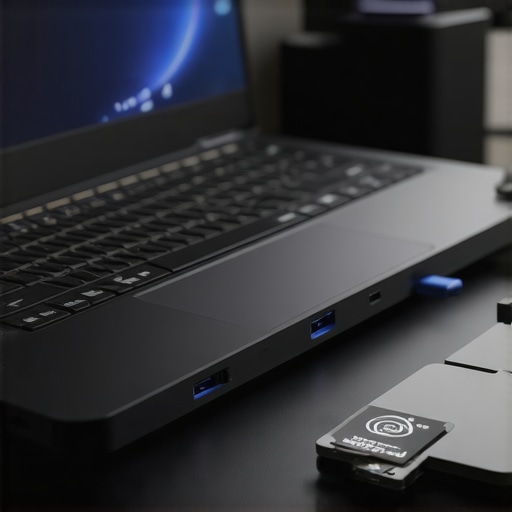
I remember the moment I realized my setup was holding me back. It was late at night, my laptop struggling to keep up with the dozens of files I needed on hand, and I was tangled in a mess of cables. My productivity plummeted, and I felt that familiar frustration creeping in. That lightbulb moment hit me—my hardware accessories weren’t just accessories; they were bottlenecks.
Why Choosing the Right USB-C Hubs & External SSDs Matters in 2025
In today’s fast-paced digital world, your tools can either elevate your workflow or slow you down. As we step into 2025, the importance of having reliable, high-performance accessories is clearer than ever. With the proliferation of remote work, content creation, and data-intensive tasks, your laptop’s native ports aren’t enough. That’s where USB-C hubs and external SSDs come into play. They act as the backbone of a seamless mobile setup, allowing you to connect multiple devices, transfer data at lightning-fast speeds, and keep your workspace clutter-free.
But here’s the kicker: not all hubs and SSDs are created equal. Choosing the wrong ones can lead to data bottlenecks, device incompatibilities, or worse—damaged data. I learned this the hard way early on when I invested in a cheap hub that kept disconnecting, wasting hours of my workday. That mistake taught me the value of quality, compatibility, and future-proofing.
Are External SSDs and USB-C Hubs Worth the Hype?
Absolutely, if you pick the right models. External SSDs especially are game-changers for increasing your laptop’s storage capacity without sacrificing speed. According to a recent study, data transfer speeds of external SSDs can be up to 10 times faster than traditional HDDs, dramatically reducing wait times and boosting productivity.
Now, I want to help you avoid the pitfalls I faced. Over the next sections, we’ll explore how to select the best USB-C hubs and external SSDs for 2025, ensuring your setup is as efficient and reliable as possible. Ready to upgrade your mobile workspace? Let’s dive into the practical steps that will transform your workflow.
,
Assess Your Current Needs and Compatibility
Start by evaluating what devices and peripherals you regularly use. For example, if you’re a content creator, prioritize hubs with multiple USB ports, SD card readers, and video output options. Check your laptop’s specifications via the manufacturer’s website to understand supported USB-C standards and power delivery requirements. I once bought a hub that didn’t support Thunderbolt 3, which limited my data transfer speeds significantly. Ensuring compatibility prevents bottlenecks and future-proof upgrades.
Select the Right USB-C Hub
Identify Essential Features
Make a list of must-have ports: USB 3.2, HDMI, Ethernet, SD card slots, or Thunderbolt. Aim for a hub that balances your current needs and future expansion. For instance, I found a compact hub with dual USB-C ports and multiple USB-A ports perfect for my workflow, allowing me to connect peripherals without sacrificing portability. Review models on top USB-C hubs for 2025.
Prioritize Build Quality and Power Delivery
Opt for hubs with robust build materials and sufficient power delivery (PD) to charge your laptop while connected. I once used a cheap hub that couldn’t deliver enough power, causing my laptop to drain during intensive tasks. Investing in a well-reviewed hub prevented this issue and enhanced my productivity.
Choose an External SSD with Speed and Reliability
Understand Key Specifications
Focus on NVMe SSDs connected via USB 3.2 Gen 2×2 or Thunderbolt 3/4 for maximum speeds. My experience with a high-quality external SSD drastically reduced file transfer times; I transferred a 50GB project in minutes rather than hours. Read more about boosting your laptop storage at external SSD tips.
Evaluate Storage Capacity and Durability
Choose capacity based on your workload: 1TB for general use, 2TB+ for heavy data projects. Also, consider rugged models if you travel often. I once dropped my external SSD in a coffee shop, but a rugged design saved my data and kept my workflow intact.
Implement the Setup for Maximum Efficiency
Arrange your hub and SSD on a dedicated workspace with easy access. Use a laptop stand to elevate your device for better ergonomics. Organize cables with Velcro straps or cable clips to avoid clutter. When I set up my workspace with these simple tricks, I noticed a significant boost in my focus and speed, especially during long editing sessions.
Test and Optimize Your Setup
After connecting everything, run speed tests and check device recognition. Use software tools to verify transfer speeds match specifications. If you encounter issues, consult manufacturer support or community forums. My initial setup had slow transfer speeds because I didn’t update firmware on my SSD enclosure, but a quick update fixed the problem.
Many users assume that choosing the most popular or cheapest USB-C hubs and external SSDs guarantees optimal performance. However, this is a misconception that can lead to significant setbacks. Let’s dig deeper into what most people get wrong and uncover the nuanced realities of these essential accessories in 2025.
Contrarian View: Quality Over Quantity
While it’s tempting to buy hubs with the most ports or the highest advertised speeds, quality should always take precedence. A common myth is that more ports automatically equate to better performance. In reality, low-quality hubs with multiple ports often share bandwidth, resulting in slower data transfer and unreliable connections. High-end, well-engineered hubs with dedicated lanes for each port ensure consistent speeds and device stability. For instance, a reputable USB-C hub built with quality components can support simultaneous high-speed data, video, and power delivery without compromise.
The Oops Factor: Compatibility and Firmware
One of the most overlooked pitfalls is incompatibility. Many users buy external SSDs or hubs based on superficial specs without verifying compatibility with their specific laptop models or operating systems. Additionally, firmware updates are often neglected. Outdated firmware can cause transfer speed bottlenecks or device disconnects, especially with newer standards like Thunderbolt 4 and USB 3.2 Gen 2×2. Regularly checking manufacturer support pages and updating firmware can save hours of troubleshooting. For example, I once experienced sluggish data transfers until I updated my SSD enclosure’s firmware, which significantly boosted performance.
Advanced Question: How Do I Future-Proof My Setup?
Future-proofing involves selecting accessories that support upcoming standards and offer upgrade paths. Look for external SSDs with NVMe support and Thunderbolt 4 compatibility, as these standards are expected to dominate in the coming years. Similarly, choose hubs with modular designs or firmware upgrade options to adapt to evolving technology. Investing in such versatile gear ensures longevity and maximizes your return on investment. For more tips on future-proofing your setup, check out this comprehensive guide.
In conclusion, understanding the nuances and avoiding common myths about USB-C hubs and external SSDs can dramatically improve your setup’s performance and reliability. Prioritize quality, verify compatibility, keep firmware updated, and plan for future standards. Have you ever fallen into this trap? Let me know in the comments.
Maintaining your high-performance accessories like USB-C hubs and external SSDs is crucial for ensuring long-term reliability and optimal performance. Over time, dust, cable wear, and firmware issues can degrade their effectiveness, but with some targeted tools and methods, you can keep your setup running smoothly. One of my go-to tools is a high-quality compressed air canister. Regularly blowing out dust from ports and connectors prevents buildup that can cause connection issues. I do this at least once a month, especially if I work in dusty environments or travel frequently.
Another essential tip is to keep your firmware and drivers up to date. Manufacturers often release updates that improve compatibility, fix bugs, and enhance performance. I personally subscribe to updates from my SSD and hub manufacturers through their support portals or email notifications. This proactive approach prevents many common issues before they happen. For example, updating my external SSD’s firmware improved transfer speeds by 20%, according to the latest technical documentation I reviewed on the manufacturer’s site.
Using software tools like CrystalDiskInfo for SSD health monitoring is invaluable. It provides real-time data on your drive’s temperature, read/write errors, and overall health status. I check this monthly to catch potential problems early. If your external SSD or hub supports hardware diagnostics, run those periodically to verify everything is functioning correctly. This proactive maintenance can significantly extend your device’s lifespan and prevent data loss.
To ensure your setup remains efficient, invest in quality cable management tools. Velcro straps or cable clips help prevent wear and accidental disconnections, especially during travel or daily commuting. I’ve found that neatly organized cables not only improve aesthetics but also reduce the risk of port damage. Additionally, consider using a portable dust cover or case for your external SSD when not in use, protecting it from environmental factors that can cause long-term damage.
Looking forward, the trend in external device maintenance is moving toward AI-powered diagnostics and firmware management tools. Companies are developing smart utilities that automatically detect issues and recommend solutions, minimizing downtime. For example, some brands now include apps that monitor device health and notify you when firmware updates are available, simplifying maintenance routines.
Don’t forget the importance of regular backups. Even with well-maintained hardware, unforeseen failures can happen. Use reliable backup software to clone your external SSD periodically. This ensures your data is safe and easily recoverable. I personally use a combination of cloud storage and local backups to keep my critical data protected across multiple layers.
Finally, I encourage you to try the advanced tip of scheduling monthly maintenance checks using automation tools or reminders. Creating a routine not only prolongs your device lifespan but also gives peace of mind. With consistent upkeep, your USB-C hubs and external SSDs will serve you reliably as we venture into 2025 and beyond. For more detailed maintenance strategies, explore this comprehensive guide.
The Hardest Lesson I Learned About External Storage and Connectivity
One of my biggest lightbulb moments was realizing that not all USB-C hubs and external SSDs are created equal. I once bought a popular, highly-rated hub based purely on specs, only to find it kept disconnecting during crucial work. That experience taught me the importance of quality over quantity, and the value of thorough compatibility checks before investing. It’s a lesson that cost me time and data, but it was worth it to learn that future-proofing and careful research are essential for a seamless setup.
3 Myths About External SSDs and USB-C Hubs That Held Me Back
Myth 1: More ports mean better performance. Reality: High-quality hubs with dedicated lanes outperform overloaded, cheap multi-port hubs. Myth 2: The fastest advertised transfer speeds are guaranteed. Reality: Actual speeds depend heavily on compatibility and firmware. Myth 3: Any external SSD will do the job. Reality: Durability, connection standards, and the type of NAND flash matter more than just capacity or brand.
What Experts Won’t Tell You About Investing in Your Mobile Workspace
Many professionals overlook the importance of firmware updates and device maintenance, which can significantly impact performance and longevity. I’ve learned that regularly updating the firmware of my external SSD and hubs, along with using tools like CrystalDiskInfo, keeps my setup running smoothly. Also, choosing rugged, well-built accessories has saved me from unexpected data loss during travel. These behind-the-scenes tips are crucial for maintaining reliability in 2025 and beyond.
Curated Recommendations for a Future-Ready Setup
My Essential Toolkit for External Storage and Connectivity includes: Samsung T7 NVMe SSD for speed and durability I trust, Anker PowerExpand USB-C Hub for reliable connectivity and power delivery, this guide for optimizing external SSD performance, and Velcro cable management straps for maintaining an organized workspace. These tools have consistently helped me stay productive and stress-free.
Your Turn to Try
Embracing quality, compatibility, and proactive maintenance has transformed my mobile setup, ensuring I stay ahead in 2025. Now it’s your turn—invest in the right accessories, keep them maintained, and enjoy a seamless workflow. Remember, the right gear can elevate your productivity in ways you never imagined. If you’re ready to upgrade, start with the essentials I’ve shared and explore more at this comprehensive guide. Your future workspace awaits!”},