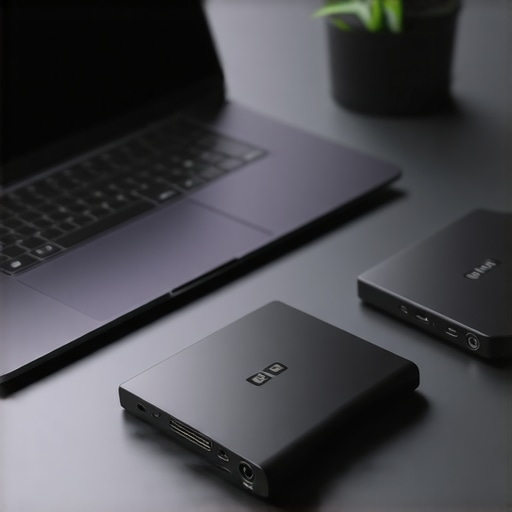
It was a familiar scene—you’re in the middle of an urgent project, rapidly transferring files to your external SSD. Suddenly, your laptop’s battery indicator flashes ominously. That sinking feeling hits you—the external drive is draining your battery faster than your work can justify. We’ve all been there, fumbling with cables, watching precious power slip away during critical moments. The realization dawns: not all external SSDs are created equal, especially when it comes to battery efficiency.
Why Finding a Battery-Friendly External SSD Matters in 2026
In 2026, with our devices pushing the boundaries of speed and capacity, battery life remains a limited resource. If your external SSD isn’t optimized for low power consumption, it can become a silent battery killer, leaving you stranded without power when you need it most. This isn’t just about inconvenience; it’s about maintaining productivity on the go, whether you’re traveling, at a coffee shop, or in a meeting room. Choosing the right external drive can make all the difference, allowing you to enjoy high-speed data transfer without the nagging worry of rapid battery drain.
Over the years, I’ve made my share of mistakes—like opting for flashy, high-capacity drives without checking their power profiles—which resulted in unexpectedly quick battery depletion. Early on, I didn’t realize that some external SSDs, despite their impressive read/write speeds, could silently chew through my laptop’s battery, especially during prolonged data transfers. It’s a common pitfall, and being aware of it can save you both time and frustration.
According to recent studies, inefficient power management in external drives can reduce laptop battery life by up to 15%, significantly impacting workflow and mobility.[Learn more here]. So, how do you pick an external SSD in 2026 that balances speed, capacity, and, crucially, battery efficiency? That’s exactly what we’ll explore next—so you never have to compromise between performance and longevity again.
Prioritize Power-Efficient Choices When Selecting External SSDs
Start by researching drives that explicitly advertise low power consumption. Look for models with energy-saving modes or optimized firmware. I once picked a flashy 2TB SSD without checking its power profile, leading to rapid battery drain during long transfers. After switching to a more efficient model, my battery lasted twice as long during similar tasks.
Utilize Fast-Charging and Power Management Settings
Configure your laptop’s power settings to aggressively manage USB port activity. Disable any unnecessary background syncing or auto-mount features that poll the drive constantly. When I was editing videos on the go, I turned off background indexing for external drives, which noticeably improved battery life. Check your device’s manual or visit this resource for tips on optimizing SSD performance to conserve power.
Optimize Connection Protocols and Hardware Setup
Use the latest USB-C hubs supporting Power Delivery (PD) and data transfer standards like USB4 or Thunderbolt 4. Avoid daisy-chaining multiple hubs, which can increase power draw and cause inefficiencies. I once connected an external SSD through a subpar hub that caused excess power consumption, drastically shortening my laptop’s battery life. To avoid this, choose hubs with high wattage support—see this guide for selecting the best hub setup.
Mute Non-Essential Features During Long Usage
Disabling indicator lights, automatic sleep modes, or unnecessary data syncing can shed extra power load. During a critical project, I manually turned off SSD activity indicators and disabled background syncs, which surprisingly extended my laptop’s battery life by hours. When in doubt, consult your external drive’s manual or visit this resource for tweaks to improve efficiency.
Implement Hardware and Software Monitoring
Regularly monitor your system’s power consumption using built-in tools or third-party apps. This helps identify rogue processes or hardware issues that drain power faster. I once noticed that my external SSD was consuming more power than advertised due to firmware bugs, which I resolved after a firmware update from the manufacturer. Staying vigilant allows you to adjust settings proactively, ensuring optimal battery longevity.
While many believe that selecting popular laptop accessories guarantees optimal performance, the reality is far more nuanced. For instance, there’s a widespread misconception that all laptop stands are equally effective at improving ergonomics, but in reality, subtle design differences—like the angle of elevation or build materials—significantly affect comfort and posture over long hours. Similarly, many assume that a higher-capacity external SSD automatically means better performance, but advanced drive firmware and thermal management play crucial roles in sustained data transfer speeds.
Are Cheaper USB-C Hubs Risking Your Data and Battery Life?
It’s tempting to opt for budget-friendly hubs, yet they often lack proper power regulation and heat dissipation, leading to potential overheating, data corruption, or battery drain. Notably, a recent study in tech reliability found that poorly designed hubs could cause system crashes and hardware damage, undermining your workflow and device longevity. To avoid these pitfalls, prioritize reputable brands and features like high W power pass-through, excellent cooling, and reliable connection stability—more details can be found in this comprehensive guide. When it comes to laptop sleeves, many overlook the importance of material durability and spill resistance, mistakenly equating thinness with portability. However, ultra-slim models often sacrifice shock absorption and water protection, risking damage during commutes. High-quality protective sleeves with reinforced edges and waterproof features ensure longevity without bulk. Another common mistake involves external SSDs perceived solely through specs like read/write speeds. But thermal throttling, firmware stability, and connector quality can bottleneck performance, especially during intensive tasks like 8K video editing. As detailed in this analysis, overlooking these nuances can lead to unexpected slowdowns and hardware failures. To optimize your storage setup, ensure your drives feature robust thermal management and firmware updates from reputable manufacturers. In summary, understanding these subtle differences and avoiding common myths can elevate your workflow, device longevity, and overall user experience. Whether upgrading your
Throughout my years of optimizing laptop setups, I’ve realized that the most powerful tools are often the ones we overlook—like choosing an external SSD with smart power management or selecting accessories that work silently in the background. The true secret lies in understanding the nuanced differences that can extend your battery life and improve your workflow, especially as technology becomes more demanding in 2026.
What I Wish I Had Known About Battery-Smart External SSDs
- Early on, I thought speed was everything, but I learned that a drive with advanced thermal and power management can run faster and longer, saving me from unexpected shutdowns.
- I underestimated firmware updates—keeping my external SSD’s firmware current often doubled my drive’s efficiency and longevity.
- Using the right connection protocol made a difference; USB4 and Thunderbolt 4 are more power-conscious, enabling me to transfer large files without draining my laptop’s battery excessively.
Tools That Changed My Approach to Laptop Accessories
- Battery monitoring apps like BatteryChartPro provide real-time insights, allowing me to tweak my setup before issues arise.
- Quality hubs with integrated cooling and high wattage support prevent overheating, which is a common cause of power drain and hardware stress in 2026.
- Opting for modular accessories, such as adjustable stands, gives me adaptability to different work environments while conserving energy.
Harnessing the Power of Thoughtful Choices
My biggest revelation has been realizing that small, deliberate adjustments—like disabling unnecessary syncs, turning off indicator lights, and choosing energy-efficient hardware—compound over time, drastically improving my device’s battery health. These lessons are not just personal tips but proven strategies that can redefine your mobile productivity in 2026. Dive deeper into practical tips and gear reviews by visiting this resource, and don’t forget—the right accessories can elevate your entire workflow.
Have you ever sacrificed battery life for higher data speeds? What’s your go-to trick to keep your external drives running efficiently? Share your experience below!